Skip to content
Elizabeth ArnoldGrowth · Leadership · Speaking

Consulting · Strategic advisory · Fractional leadership

Find the opportunity. Build the strategy. Lead the work.

I work with founders and leadership teams to identify where growth can come from, resolve what is getting in the way, and turn decisions into action.

Elizabeth Arnold with a city skyline behind her

Different stages. Important decisions.

Stage 1

Building something new

Define the customer, test the offer, and develop a practical route to market.

Stage 2

Growing an existing business

Evaluate new revenue opportunities, strengthen pricing and partnerships, and build the systems that support growth.

Stage 3

Moving an established organization forward

Connect product, commercial, and operational teams around shared priorities, from portfolio decisions to acquisition integration.

See it in practice: launching a local business · commercializing emerging technology · simplifying an established business

What I can own

Where I can contribute.

We look at the opportunity and the business around it before deciding what to change.

Positioning & commercializationTranslate an idea, product, or capability into an offer customers understand and a business can deliver.See examples and deliverables

Examples

  • Define priority customers and use cases.
  • Clarify the value proposition and offer.
  • Identify assumptions to test with customers.
  • Develop go-to-market priorities and launch responsibilities.

Possible outputs

Customer and positioning direction, an offer outline, a validation plan, or a launch roadmap.

Pricing, packaging & revenue opportunitiesConnect what customers value with how the business structures, sells, and grows its offer.See examples and deliverables

Examples

  • Review pricing and packaging.
  • Simplify overlapping products or services.
  • Assess expansion opportunities and new revenue streams.
  • Prioritize opportunities based on customer need and delivery requirements.

Possible outputs

Packaging recommendations, pricing hypotheses to test, portfolio recommendations, or a prioritized opportunity assessment.

Partnerships, customer experience & growthFind ways to reach customers, strengthen their experience, and build relationships that support the business.See examples and deliverables

Examples

  • Identify and prioritize potential partners.
  • Define partner value propositions and activation plans.
  • Review the customer journey for friction and missed opportunities.
  • Explore community, retention, and referral opportunities where relevant.

Possible outputs

A partnership strategy, customer journey recommendations, or a focused growth plan.

Team alignment & strategic executionBring the people, decisions, and responsibilities together so an important initiative can move.See examples and deliverables

Examples

  • Align product, sales, marketing, and customer success around priorities.
  • Establish useful customer and market feedback loops.
  • Clarify ownership, handoffs, and decision-making.
  • Coordinate launch readiness or acquisition integration initiatives.

Possible outputs

A shared roadmap, defined responsibilities, decision processes, or an implementation plan.

“Elizabeth reshaped how I thought about my business and the opportunities to expand it. She created a thorough marketing and content strategy and helped me start building our YouTube and Instagram presence, opening up opportunities to build awareness that I hadn’t recognized before. We’ve had four times as many bookings this year as last year and we’ve only implemented half the plan so far. I’m excited to see what next year brings.”
Cole D | Owner | Dirty Wheel TahoeRead the case

Ways to work together

The right level of involvement.

Thinking partner

Advisory

Best when
You want experienced perspective and ongoing support for important decisions.
What to expect
Recommendations and decision support, with execution owned by you and your team.

Defined body of work

Consulting

Best when
You have a specific challenge or opportunity that needs deeper investigation and agreed deliverables.
What to expect
A clear recommendation or plan, concrete outputs, and an agreed path to implementation.

Embedded leader

Fractional leadership

Best when
You need an experienced leader in the business to take responsibility for agreed priorities.
What to expect
Hands-on leadership with agreed decision authority, responsibilities, and measures of progress.

How an engagement begins

  1. 1

    Initial conversation

    Your business, what you want to accomplish, and where you need support.

  2. 2

    Agreed scope and responsibilities

    Deliverables, level of involvement, and who owns what.

  3. 3

    Agreed measures of progress

    What progress should look like and how we review it together.

See the whole business. Choose the next move.

  1. 01

    See

    Understand the customer, the business, and the opportunity.

  2. 02

    Prioritize

    Choose what deserves attention now and what can wait.

  3. 03

    Connect

    Bring the people and decisions together.

  4. 04

    Act

    Build, test, and implement the agreed work.

  5. 05

    Scale

    Strengthen the systems and ownership that keep progress going.
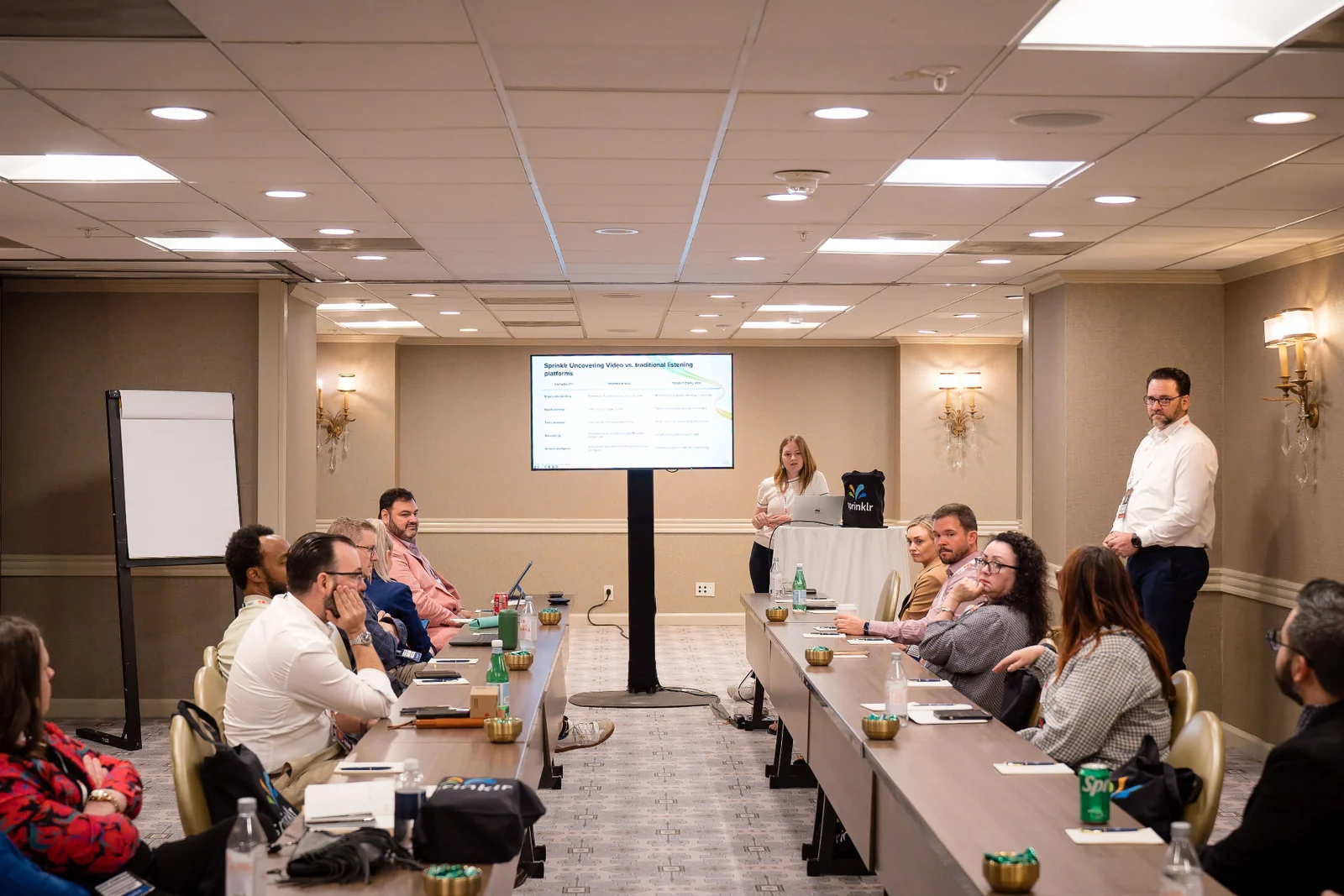
Elizabeth Arnold leading a workshop with participants seated around conference tables
Leading a workshop on how to incorporate video intelligence into your marketing.

What clients say

“Elizabeth helped us see why the business felt harder to run as it grew. She brought focus to our priorities, helped us rethink who owned what, and gave me room to lead instead of being involved in every decision.”
Josh V | Founder | Series B | AI Startup
“Elizabeth could see the connections between our product, commercial approach, and how the team was operating. She helped us make the decisions we had been circling and turn them into work people could actually own.”
Sarah G | Chief Operating Officer | Consumer Packaged Goods
Explore selected work

What opportunity or challenge is on your mind?

Tell me what you’re building, what you want to change, or where you see potential. You don’t need a perfectly defined brief to start.

Planning an event? See speaking